A catalog people can shop
Products, variants, photos and filters organised so customers find the right item without asking.
E-commerce websites for small businesses
I design and build stores where the catalog is easy to browse, the checkout is short, and payments, shipping and stock are set up around how your business really operates.
Payments, shipping and inventory configured with you, not left as homework.
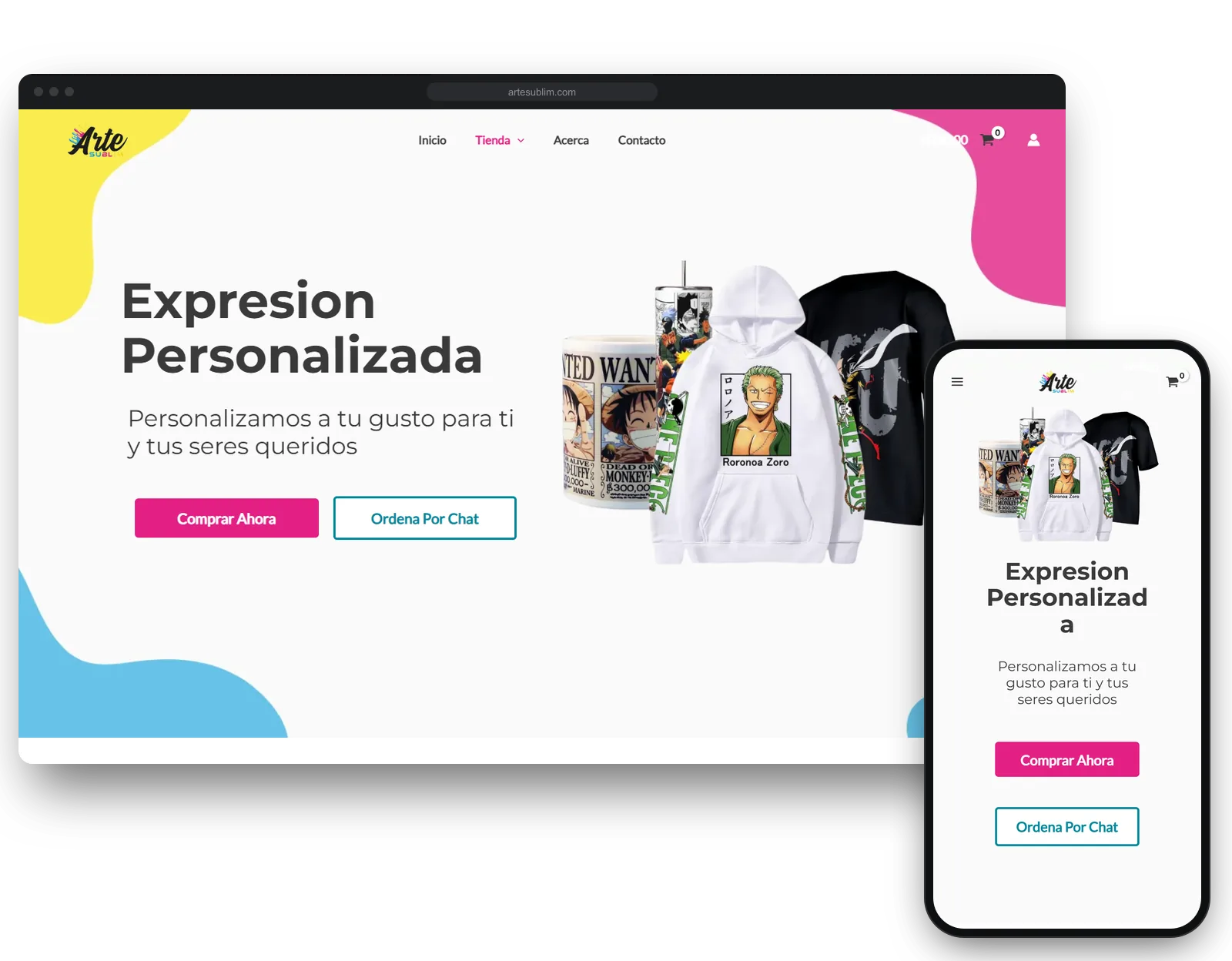
Businesses I've built for





Where sales leak
Most small stores don't lose sales at the product — they lose them in the steps between wanting it and paying for it. These are the usual leaks.
Prices, availability, transfers and screenshots handled by hand, one customer at a time, at whatever hour they write.
Customers can't filter, compare or see what is in stock, so they ask instead of buying — or leave.
Long forms, unclear shipping costs and no visible payment options turn ready buyers into abandoned carts.
Bank transfers, screenshots and manual confirmations work until volume grows, then they cost you orders and trust.
Overselling, sold-out favourites and a catalog nobody updates because updating it is a chore.
No view of best sellers, sources or abandoned carts, so decisions about stock and ads are guesses.
A store is not a catalog with a cart bolted on. It is an operation: what you sell, how it is paid, how it ships and who keeps it up to date, designed as one flow.
How buying feels
Tap a colour and a size. This is what your customer sees: the right product, the right price and what is actually left — without having to ask on WhatsApp first.
Custom print tee
Cotton · printed to order
$28
6 left in stock
What you get
Built around your catalog, your margins and the way you actually deliver, not around a template's demo products.
Products, variants, photos and filters organised so customers find the right item without asking.
Short forms, clear shipping and delivery options, and the payment methods your market trusts.
One place to see orders, update products and keep availability honest.
Product and category pages built for search, so the catalog itself brings traffic.
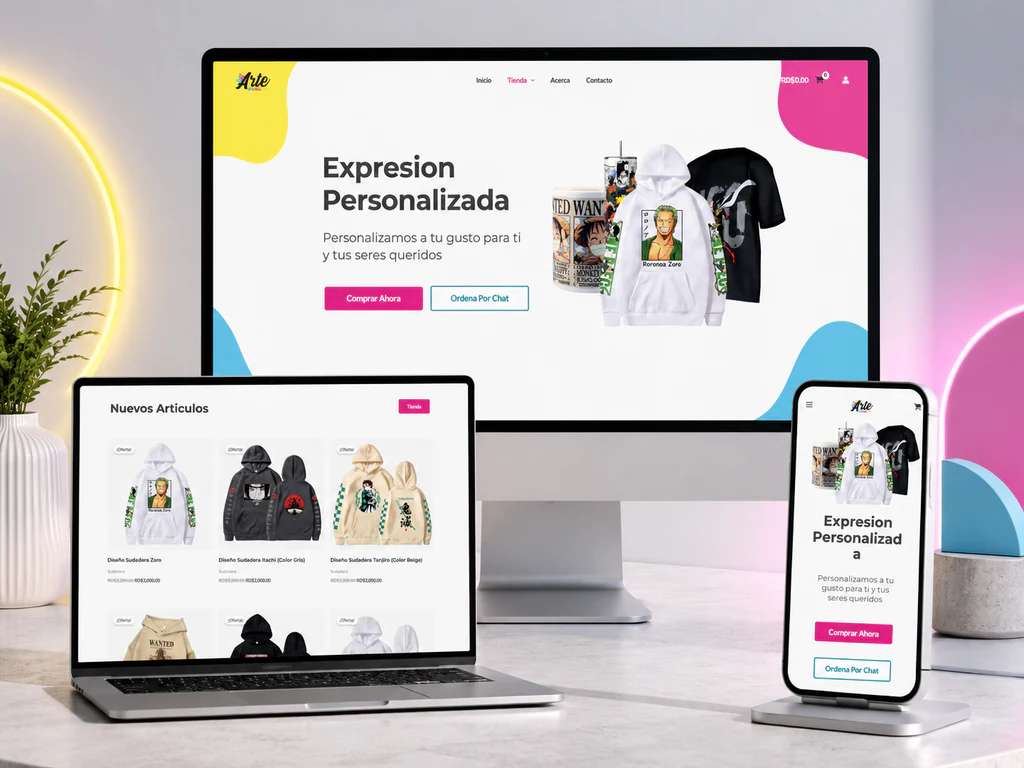
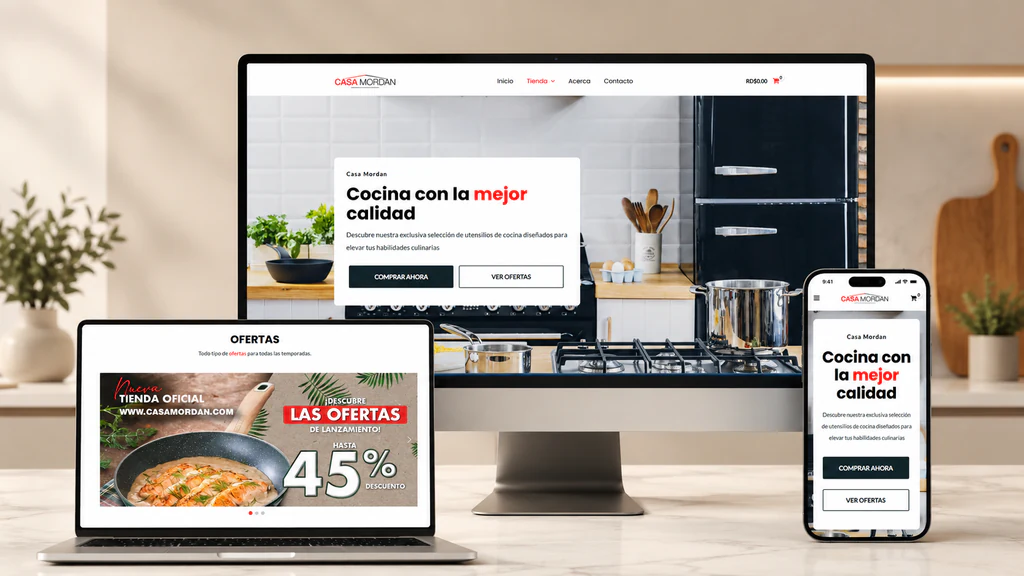
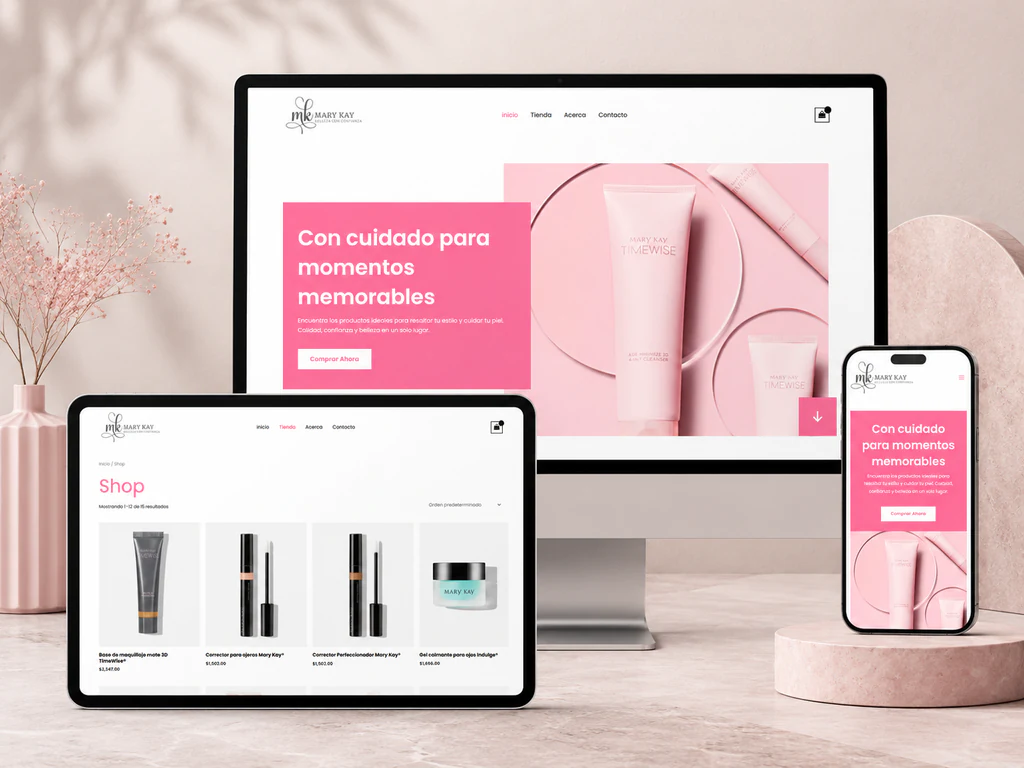
Selected work
What an online store includes
One scope and one person accountable for it, from the catalog structure to the first real order.
Categories, variants, options, stock and product pages written to answer the questions that stop a purchase.
A short, tested checkout with clear costs, guest purchase and the fewest steps your business allows.
The gateways available in your market — local bank gateways, cards, PayPal or transfers — set up and tested with real transactions.
Zones, rates, pickup, local delivery and the rules that keep shipping from eating your margin.
An admin you can actually use: orders, stock, customers and the notifications around them.
Technical setup, product metadata, structured data, speed and e-commerce tracking from day one.
Testing with real orders, going live, a walkthrough for whoever manages the store, and support after launch.

Who you actually work with
You work directly with the person deciding the structure, designing the store and writing the code, and the same person is there when the first real order comes in.
Social selling wins on reach and zero setup. It costs you every order handled by hand, no search traffic and no record of what sells.
Shopify, Wix or WooCommerce on your own is cheaper to start. The price is your hours, a store that looks like the theme demo, and payments and shipping configured by trial and error.
I'm Michael, an independent web designer and developer based in the Dominican Republic, building stores and websites for small businesses in the US and the Caribbean, in English and Spanish.
The process
Each stage is defined up front, including what I need from you — usually photos, prices and shipping rules.
Your products, margins, delivery reality, payment options and what a good first quarter looks like.
Categories, variants, product data and the path from landing on the store to paying.
The visual direction, the product page and the checkout, agreed before production code exists.
Store development, payments, shipping, inventory, analytics and SEO, tested with real transactions.
Going live, a walkthrough for whoever runs the store day to day, and support while the first orders arrive.
Before you write
Questions
Still unclear on something? Ask it in the form — it becomes a better first conversation.
More than a marketing website, because payments, shipping, inventory and the admin all have to work together. Every store is quoted individually after we agree on the catalog and the integrations. The form includes budget ranges: share yours and I'll tell you honestly whether we are aligned before a call.
It depends on the catalog, the market and who will manage it. Shopify, WooCommerce and custom builds each fit different situations, and I explain the trade-offs — fees, flexibility and how hard it is to maintain — before choosing, instead of defaulting to one.
Through the gateway your bank or processor supports, plus international options for foreign customers. We confirm what you can actually get approved for before building, because that decision shapes the checkout.
Yes, and most stores should. The store takes the orders that are ready to buy, and WhatsApp stays open for the rest — the assistant on the AI automation page can answer those messages and point people to the product.
Photos are yours or a photographer's; I tell you exactly what shots and formats are needed. Product descriptions can be included when you need them, structured so they also work for search.
Most stores take about 5–10 weeks from kickoff to launch. The catalog is what moves that number: the sooner products, prices and photos are ready, the sooner the store opens.
Yes. Managing products, prices, stock and orders is yours from day one, with a walkthrough at launch and written steps for the parts you'll use most.
Yes. Products, customers, orders and URLs can be migrated, with redirects planned so the search visibility you already earned moves with you.
Request received
I'll review your details and reply personally to the email you provided, usually within one business day.